
















Gaming Headsets vs. Wireless Earbuds: Which Is Better for Modern Gamers?

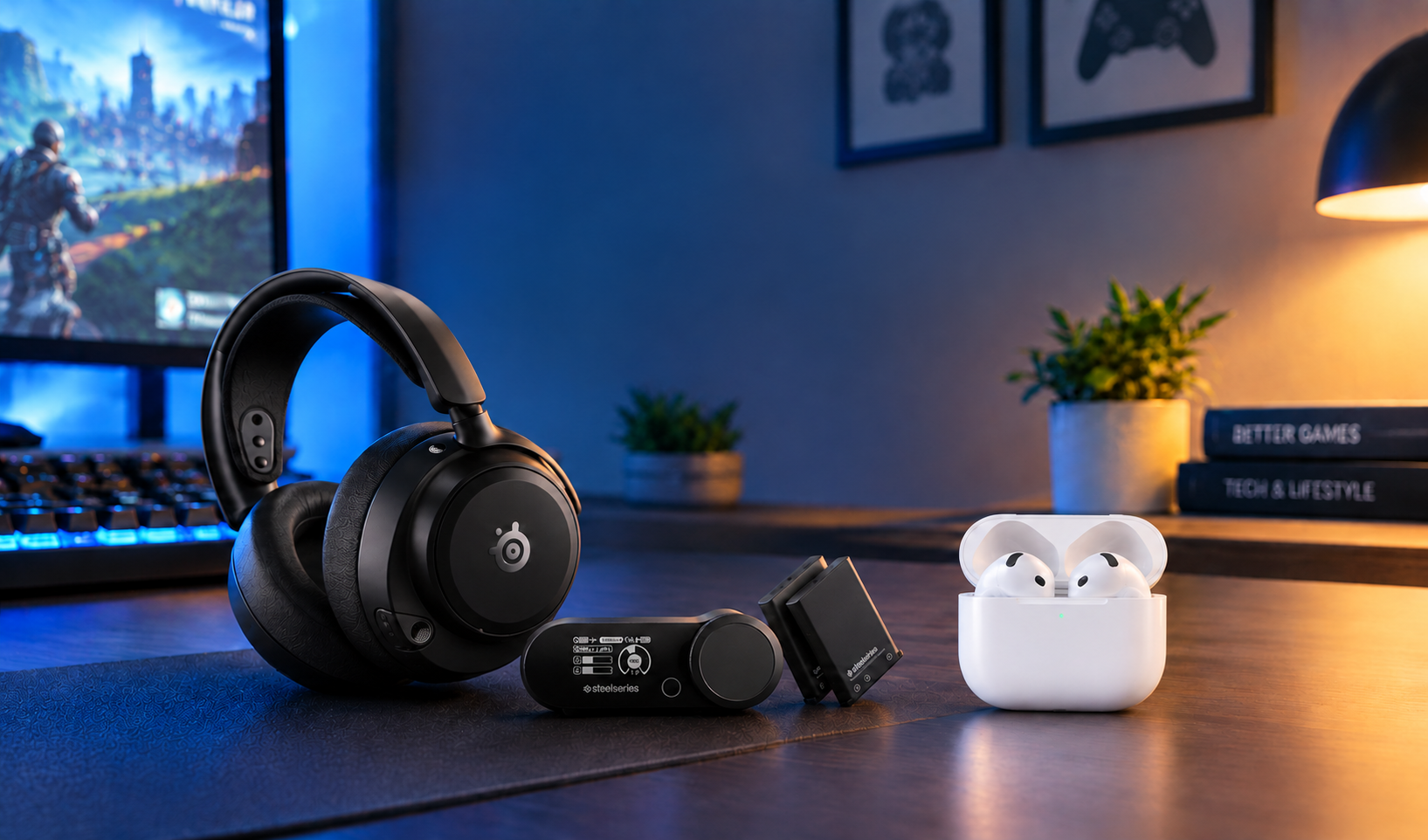
Sound is easy to take for granted until it is missing. A horror game can lose some of its tension if distant footsteps blend into the background. In a shooter, hearing movement before seeing an opponent can change a split-second decision. Even a racing title feels different when the engine, tyres and surroundings have enough detail.
For shoppers browsing gaming accessories at T4G Store, the choice is not limited to a traditional gaming headset anymore. Wireless earbuds have become part of the conversation too, especially for people who play on handheld consoles or move between different devices.
Both can work well. The differences start to show in the details, from connection speed and microphone performance to comfort, portability and the type of games being played.
The Case for a Gaming Headset
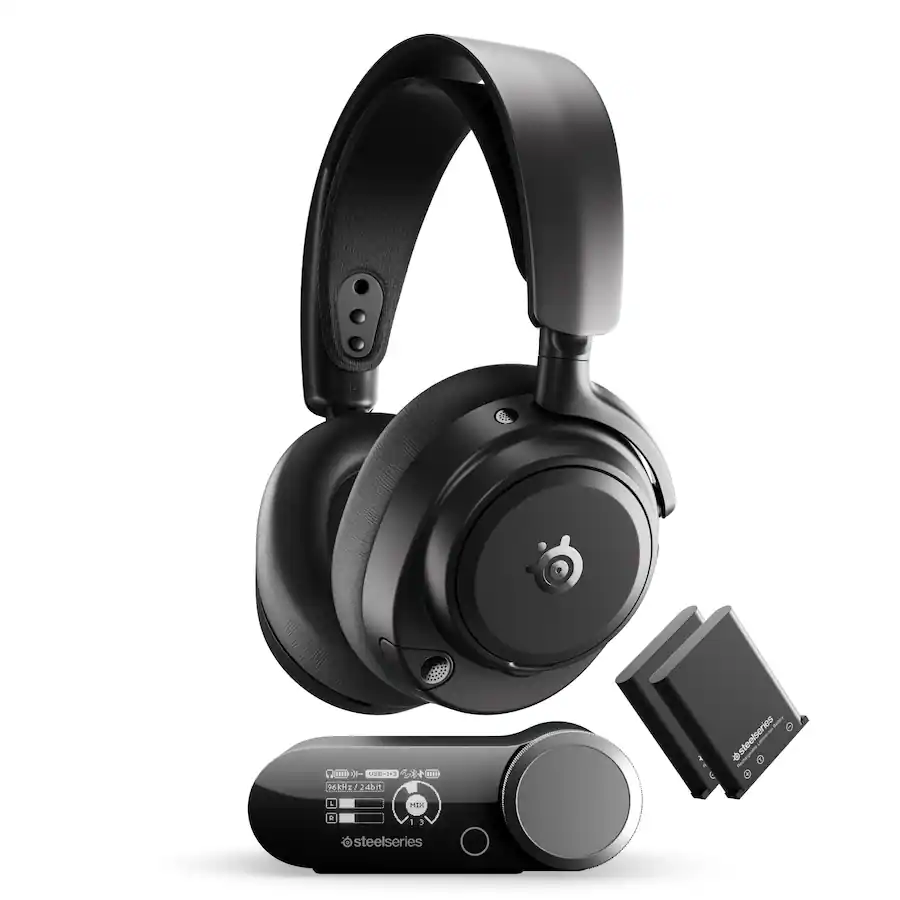
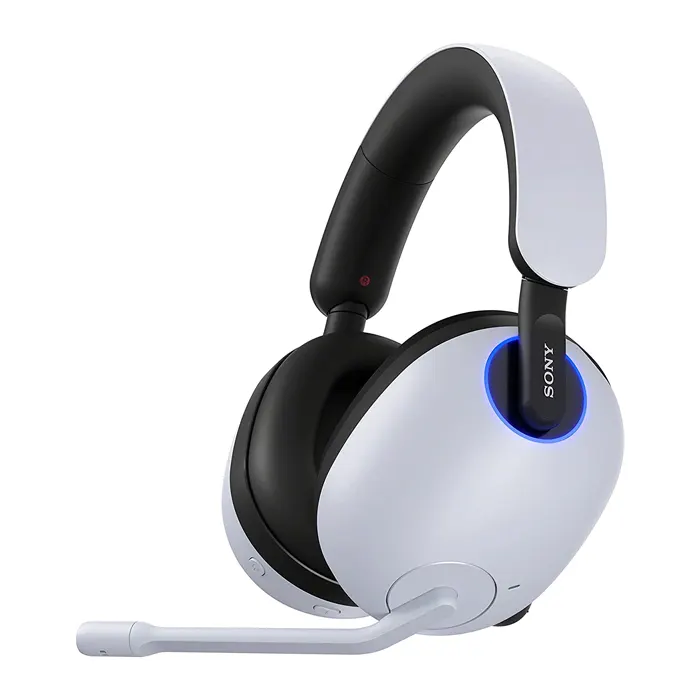
A headset takes up more space, but that extra size is there for a reason. Over-ear cups leave room for larger drivers and thicker padding, while a boom microphone can sit close to the mouth during voice chat.
There is also something to be said for how sound is presented. Footsteps, gunfire and other effects can appear to come from different parts of the game world, which is particularly handy in competitive titles. Models with spatial audio take that a step further. Sony’s INZONE H9, for instance, combines 360 Spatial Sound with noise cancellation.
For a desk-based setup, none of this feels especially excessive. The gaming headset stays beside the monitor, gets picked up when the game starts and goes back when the session ends.
Gaming Headsets Worth Considering
Why Some Gamers Prefer Earbuds
Then there is the obvious question: does a gaming session really require a full-size headset?
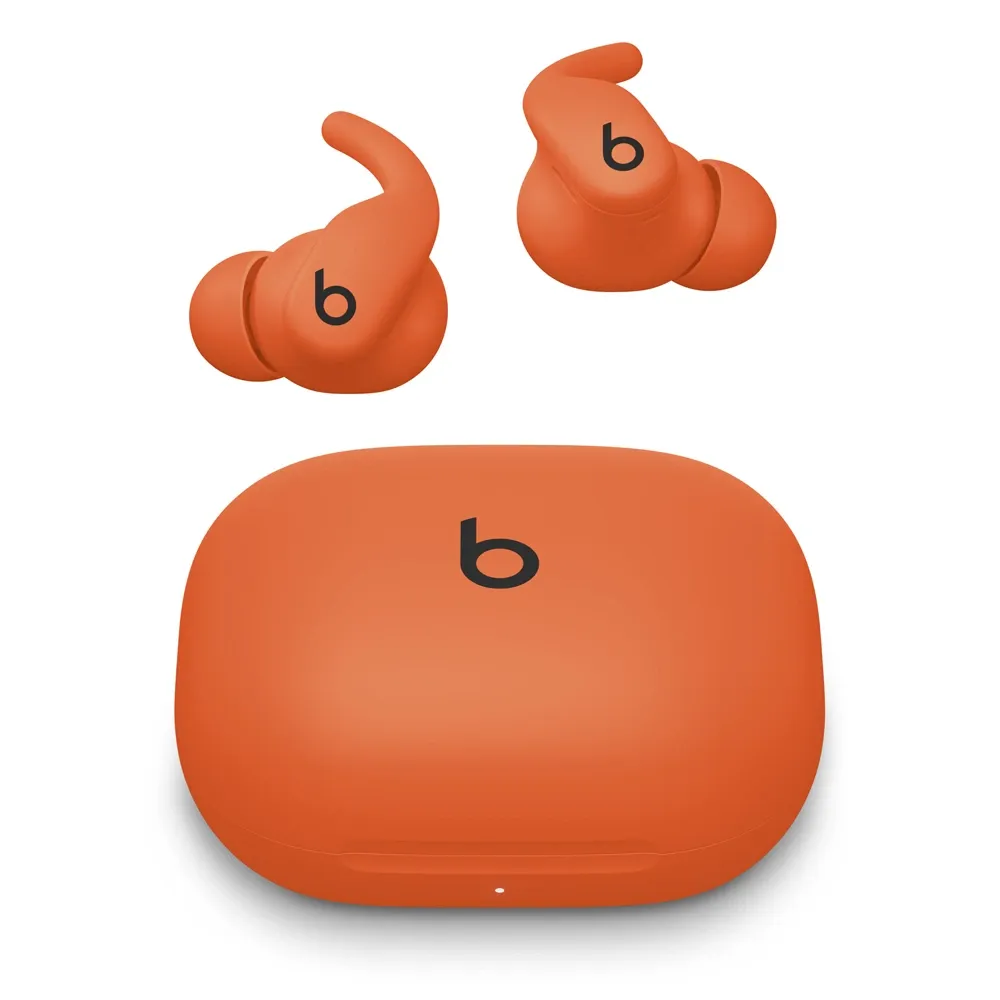
For plenty of people, the answer is no. Earbuds disappear into a small case, take seconds to put on and can stay useful after the console has been switched off. The same pair might handle a game in the afternoon, a phone call later and music on the way home.
They are particularly handy for handheld gaming. There may not be a desk, monitor or permanent gaming chair involved at all. A console comes out of a bag, a pair of earbuds goes in and the session starts.
Bluetooth does introduce one thing worth checking with wireless earbuds: delay. In a slower game, a small audio lag may barely register, but fast rhythm games and competitive shooters are less forgiving.
Wireless Earbuds Worth Considering
Gaming Headsets vs. Wireless Earbuds at a Glance
Looking at the main differences side by side makes the choice a little easier.
|
Feature |
Gaming Headsets |
Wireless Earbuds |
|---|---|---|
|
Sound positioning |
Generally suited to directional gaming audio |
Depends on the model |
|
Connection |
2.4 GHz, Bluetooth and wired options are available |
Bluetooth is common; some gaming earbuds use 2.4 GHz/proprietary wireless |
|
Microphone |
Boom microphone on many models |
Built-in microphones |
|
Extended play |
Padded over-ear designs can suit longer sessions |
Lightweight, though fit varies |
|
Portability |
Larger and less convenient to carry |
Compact and easy to store |
|
Noise control |
Passive isolation, with ANC on selected models |
Fit-based isolation and ANC on some models |
|
Everyday listening |
Available on some versatile models |
Naturally suited to everyday use |
|
Typical use |
PC, console and desk-based gaming |
Mobile, handheld and everyday listening |
Latency Is Where Things Get Interesting
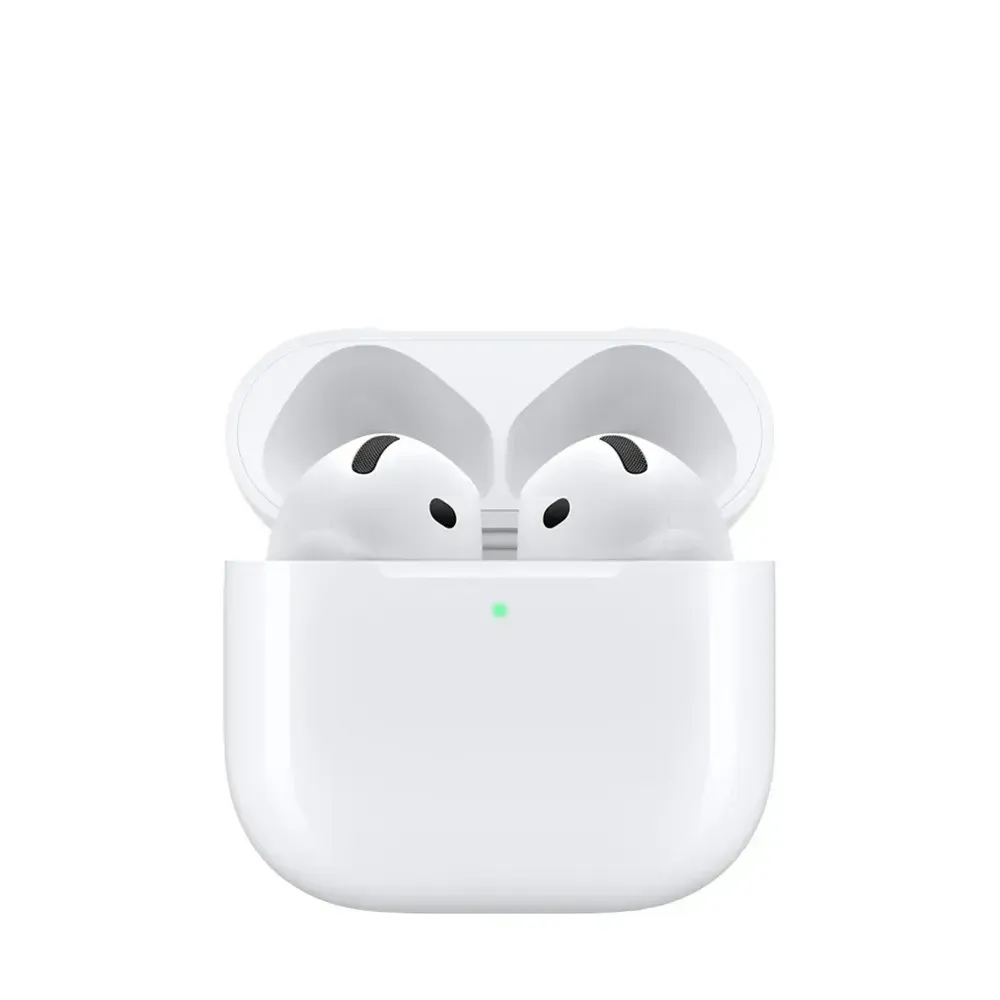
AirPods can offer a convenient way to enjoy gaming audio on compatible devices, but audio timing still matters during gameplay. The amount of latency can vary depending on the device, Bluetooth implementation and game. Dedicated gaming wireless technologies can be designed to reduce latency, which is why many gaming headsets use 2.4GHz wireless or proprietary wireless connections. When audio arrives noticeably after an on-screen action, it can affect the gaming experience.
Bluetooth earbuds can still be suitable for casual gaming, but players who are sensitive to audio timing should check the connection technology and compatibility before choosing a pair.
This is one reason 2.4GHz wireless has become common in gaming headsets. It is designed with responsive audio in mind. Bluetooth earbuds can be a different story, although some newer models have low-latency or gaming modes that narrow the gap.
The useful thing to check is the actual connection technology rather than assuming that every wireless product behaves in the same way.
What About the Microphone?
Voice chat is another area where the difference becomes noticeable.
A dedicated boom mic has one obvious benefit: it sits close to the mouth. There is less guesswork about where the microphone is picking up the voice from, and many gaming headsets are designed around this kind of communication. For a PlayStation 5 Headset setup, however, compatibility depends on the connection method. USB, 3.5mm and supported wireless technologies can provide different options, so checking PS5 compatibility before buying is important.
Earbuds take a more compact approach. Their microphones are built into the buds themselves, with software doing some of the work to clean up the voice. That can be perfectly adequate for a quick conversation or casual multiplayer session.
For someone who spends several nights a week coordinating with the same squad, microphone performance deserves more attention.
The Type of Game Matters Too
The game can change the priorities and the equipment decision can differ accordingly.
- A competitive shooter puts more emphasis on directional sound, connection speed and voice communication. A headset has several advantages here, particularly for someone playing from a fixed desk.
- A long single-player adventure is different. Comfort and overall sound quality may matter more than having the absolute lowest possible delay.
- Handheld gaming brings portability into the picture. Carrying a console already means dealing with enough equipment. Earbuds take up very little additional space.
- There is also the person who does a bit of everything. A game here, music there, a phone call on the way to work. For that kind of routine, earbuds can earn their place without being dedicated gaming equipment.
A Choice Built Around the Player
The headset-versus-earbud debate does not really have a universal answer.
Gaming accessories can shape how comfortable and enjoyable a setup feels over longer sessions. A full-size headset fits naturally into a PC or console setup. It provides a larger listening design, a boom microphone and gaming-focused connection options in one package. For long sessions at a desk, those features can be difficult to replace with something smaller.
Earbuds have a different advantage. They do not need a gaming desk to make sense. They can go into a pocket, connect to another device and remain useful long after the game is over.
T4G Store carries both categories for shoppers in Kuwait, so the decision can come down to practical details rather than a simple specification race. Connection type, microphone quality, comfort and device compatibility are worth checking before choosing.
Someone with a permanent gaming station may be perfectly happy leaving a headset beside the screen. Someone who plays on a handheld during a commute may have a very different preference. That is ultimately what separates the two. The better choice is the one that fits the way gaming actually happens.
FAQs
Gaming headsets can offer advantages such as dedicated boom microphones, stronger sound positioning and gaming-focused wireless connections. Wireless earbuds can be more convenient for handheld gaming and everyday use. The better fit depends on the player’s setup and preferences.
AirPods can be used for gaming on compatible devices, particularly phones, tablets and other devices that support Bluetooth audio. However, AirPods cannot connect directly to a PS5 as standard Bluetooth audio headsets. For PS5 gaming, a compatible wired connection or supported wireless solution is required.
Connection type, microphone quality, comfort, sound positioning and device compatibility are useful factors to consider. Players who spend long sessions at a desk may also want to pay attention to earcup padding and overall weight.
Wireless earbuds can work with a PS5, but the connection method matters. Standard Bluetooth earbuds cannot connect directly to the console for game audio. Some gaming earbuds use a dedicated USB wireless adapter or PlayStation Link technology for PS5 compatibility. Before buying, check that the earbuds specifically support PS5 and confirm whether a compatible USB adapter is included or required.
A gaming setup can include accessories such as headsets, keyboards, mice, controllers, mouse pads, webcams and gaming chairs. The right combination depends on the platform, available space and the type of games being played.


